We ship worldwide from the USA and UK
PRIME MALE BLOG : GET BACK TO YOUR PRIME
We ship worldwide from the USA and UK
PRIME MALE BLOG : GET BACK TO YOUR PRIME

Everyone would like to stay young forever, but a cruel fact of life is that all our bodies break down as we age. While some of these changes are purely cosmetic, others impact our quality of life or even shorten it. Perhaps nowhere is this truer than with the heart. That’s why we felt it was vital to produce the ultimate men’s guide to heart health after 40, to give men a fighting chance to avoid these issues.
There are many steps you can take to maintain heart health as you age. Exercising, eating and sleeping well, avoiding stress, and optimising your supplement regimen all help keep your body and heart healthy, enabling you to age as slowly as possible.
While this may seem easy to some, implementing these changes into your daily life, especially if you have reached 40 without worrying about them, can be a challenge. That is why we have produced the ultimate men’s guide to heart health after 40: to show you why they are beneficial and how to include them in your routine. This ensures maintaining your heart health after 40 is a walk in the park, which is also good for your heart.
Table of Contents
Exercise is one of the most beneficial things you can do to improve heart health at any age. This is because it enhances the entire cardiovascular system through several powerful, well-studied mechanisms.
The biggest benefit of regular physical activity is its ability to improve the heart’s strength and efficiency. This enables it to pump more blood per beat, lowering resting heart rate and reducing strain on the heart. It also keeps blood vessels flexible and responsive, improving blood flow and circulation, and lowering systolic and diastolic blood pressure. Better circulation means oxygen and nutrients are delivered more efficiently throughout the body.
Strenuous physical activity raises HDL (“good”) cholesterol levels while lowering LDL (“bad”) cholesterol and triglyceride levels. This reduces plaque buildup in arteries and lowers the risk of atherosclerosis. It has a similar effect on blood sugar. As exercise increases insulin sensitivity, it helps regulate blood glucose levels. This combats or prevents type 2 diabetes, which is a major risk factor for heart disease.
Regular exercise also reduces chronic inflammation and improves the body’s antioxidant defences. Both of these factors play key roles in preventing arterial damage and heart disease. Reducing oxidative stress even supports your autonomic nervous system balance. It lowers stress hormones and improves heart rate variability and rhythm, which is associated with a healthier, more adaptable heart.
Lastly, by burning calories and preserving lean muscle mass, exercise burns excess body fat, particularly visceral fat. Being overweight is strongly linked to cardiovascular risk. Maintaining a healthy body weight as you age is, therefore, vital.

Any type of exercise is beneficial for heart health, but some are more beneficial than others. Aerobic activities, such as brisk walking, cycling, running, and swimming, are great for cardiovascular endurance. Resistance training 3 times a week strengthens the heart muscle and provides metabolic and vascular support. Even mobility and recovery activities, such as stretching or yoga, are beneficial, as they reduce stress and improve circulation.
Just 150 minutes of moderate-intensity exercise per week can significantly lower the risk of heart disease and improve long-term cardiovascular health.
Diet and exercise usually go hand-in-hand. It should, therefore, be no surprise that diet plays a central role in heart health in many of the same ways as exercise. That’s why they are the first two entries on the ultimate men’s guide to heart health after 40.
Consuming soluble fibre, such as oats and beans, healthy fat sources, including olive oil and nuts, and omega-3, from sources like oily fish, reduces LDL (“bad”) cholesterol and raises HDL (“good”) cholesterol. This improved cholesterol balance prevents plaque buildup in the arteries. The fibre, combined with other whole foods and eating balanced meals, slows glucose absorption and improves insulin sensitivity. This lowers the risk of high blood sugar and type 2 diabetes, which significantly increases heart disease risk.
Diets rich in potassium, magnesium, and calcium help relax blood vessels, improve blood pressure, and balance sodium levels. Diets like this include foods such as bananas, dairy products, sweet potatoes, leafy greens, beans, legumes, and whole grains. Limiting excess salt and ultra-processed foods further reduces strain on the heart and limits the risk of hypertension.
Antioxidant-rich foods, including fruits, vegetables, leafy greens, herbs, and spices, reduce chronic inflammation and oxidative stress. Both of these are key drivers in cardiovascular disease. The healthy fats mentioned above further protect the artery walls from damage. Nitrates in the leafy greens, as well as foods like beets, aid nitric oxide production, helping blood vessels relax and improving circulation. Polyphenols in foods such as berries, cocoa, and olive oil enhance endothelial function.
Eating nutrient-dense foods even helps regulate appetite. This will reduce excess calorie intake, lower visceral fat, support a healthy body weight, and improve overall cardiovascular markers.

Consistently choosing whole, minimally processed foods while limiting added sugars, refined carbohydrates, trans fats, and excess sodium is one of the most effective ways to protect and strengthen long-term heart health.
If you need a little help finding a structure for your new diet, there are proven heart-healthy dietary patterns. The Mediterranean diet is rich in olive oil, fish, vegetables, fruit, legumes, and whole grains. The “DASH” diet emphasises fruits, vegetables, lean proteins, and low sodium. Plant-heavy diets increase fibre and antioxidant intake.
Sleep is essential for heart health because it helps the cardiovascular system recover and repair. It is not just passive recovery; it is an active process that protects and restores the heart. This makes it just as important as diet and exercise for long-term cardiovascular health.
During deep sleep, blood pressure naturally falls, giving the heart and arteries time to rest and repair. Poor or short sleep disrupts this “night-time dip,” increasing the risk of hypertension. Adequate sleep helps stabilise the electrical activity of the heart and balances the autonomic nervous system. Sleep deprivation, meanwhile, increases the risk of arrhythmias and abnormal heart rate variability.
Sleep lowers cortisol and sympathetic nervous system activity. Chronic sleep loss increases inflammation and oxidative stress, both of which damage blood vessels and accelerate heart disease. This also improves insulin sensitivity and glucose regulation. Poor sleep raises the risk of insulin resistance, type 2 diabetes, and metabolic syndrome, which are all major contributors to heart disease.
Proper sleep also regulates the appetite hormones leptin and ghrelin, while inadequate sleep increases hunger and high-calorie food cravings. This hormone regulation, combined with better blood sugar levels, helps maintain a healthy body weight. This prevents you from becoming overweight or obese, which both increase cardiovascular risk.
Good quality sleep even supports endothelial function, helping blood vessels relax and maintain proper circulation. Sleep deprivation, meanwhile, impairs nitric oxide production and vascular flexibility. Studies show that regularly sleeping 7–9 hours per night is associated with lower rates of heart attack, stroke, and coronary artery disease.

The easiest way to improve sleep quality is to keep a consistent sleep schedule. This is as simple as going to bed and getting up at the same times each day. Other good options include limiting caffeine and alcohol in the evening, reducing screen exposure before bed, and creating a cool, dark, quiet sleep environment.
One of the most detrimental factors to good heart health is chronic stress. While everyone is stressed at times, extended periods of high stress significantly increase the risk of heart disease. This is largely due to persistent stress elevating inflammatory markers, which damage the lining of blood vessels and accelerate the formation of plaque (atherosclerosis).
Stress activates the sympathetic nervous system, increasing adrenaline and cortisol levels. This causes blood vessels to constrict and the heart to beat faster, raising blood pressure and increasing cardiac workload. Elevated cortisol also raises blood glucose levels and promotes insulin resistance. This is linked to type 2 diabetes and higher LDL cholesterol and triglyceride levels, compounding cardiovascular risk
This is while impairing autonomic nervous system balance, increasing the risk of arrhythmias and reducing heart rate variability, which are markers of poor cardiovascular resilience. These effects also raise platelet activity and blood viscosity, increasing the likelihood of clot formation that can trigger heart attacks or strokes.
Stress even leads to poor lifestyle choices and coping behaviours frequently. This includes unhealthy eating, smoking, alcohol use, reduced exercise, and poor sleep. All of these independently harm heart health and cause issues like hypertension, coronary artery disease, heart attack, and stroke.
The most common sources of chronic stress affecting heart health include work-related pressure, financial strain, poor sleep, and ongoing anxiety or emotional distress.

Managing stress through regular exercise, quality sleep, mindfulness, social connection, and structured relaxation is crucial for protecting long-term heart health. Other ways to reduce stress include walking outdoors and setting aside time to relax and engage in activities you find calming. This includes meditating, drinking chamomile tea, reading, or playing video games.
Supplements are also a great way to relieve stress, which segways perfectly to the next section of the ultimate men’s guide to heart health after 40.
Natural supplements are great for improving heart health. They can help with all 4 of the points we have just covered, while also supporting the heart in their own unique ways. The next step of the ultimate men’s guide to heart health after 40 is to analyse the 16 best natural compounds to support heart health and explain how each one works.
Ashwagandha is an adaptogenic herb derived from the roots of an Asian evergreen shrub, also called the winter cherry, Withania Somnifera, and Indian ginseng. Among the most beneficial natural compounds on the planet, we previously dedicated not one but two articles to detailing all its benefits, and even that wasn’t enough.
Said benefits include enhancing testosterone levels, male fertility, libido, motivation, weight loss, sleep quality, and physical performance, while reducing cortisol, cholesterol, fatigue, stress, depression, and anxiety.
Among the most important benefits of ashwagandha is its ability to improve cardiovascular health. It achieves this through multiple pathways, but most notably by producing antioxidant and anti-inflammatory effects, reducing stress, cortisol, blood pressure, cholesterol, and triglyceride levels, and improving endothelial function and blood sugar regulation.
Omega-3s are healthy, essential fatty acids and polyunsaturated fats that come in three forms: ALA (alpha-linolenic acid), EPA (eicosapentaenoic acid), and DHA (docosahexaenoic acid). All three are very similar but function in slightly different ways, and EPA and DHA are the most useful for humans.
Another fantastic compound offering numerous benefits, omega-3s improve blood pressure, cognition, immune health, and cortisol and triglyceride levels, while combating high cholesterol, depression, type II diabetes, and inflammation.
It notably supports cardiovascular health by reducing inflammation, blood pressure, and triglyceride levels, while combating arrhythmias, stabilising atherosclerotic plaques, and enhancing endothelial function.
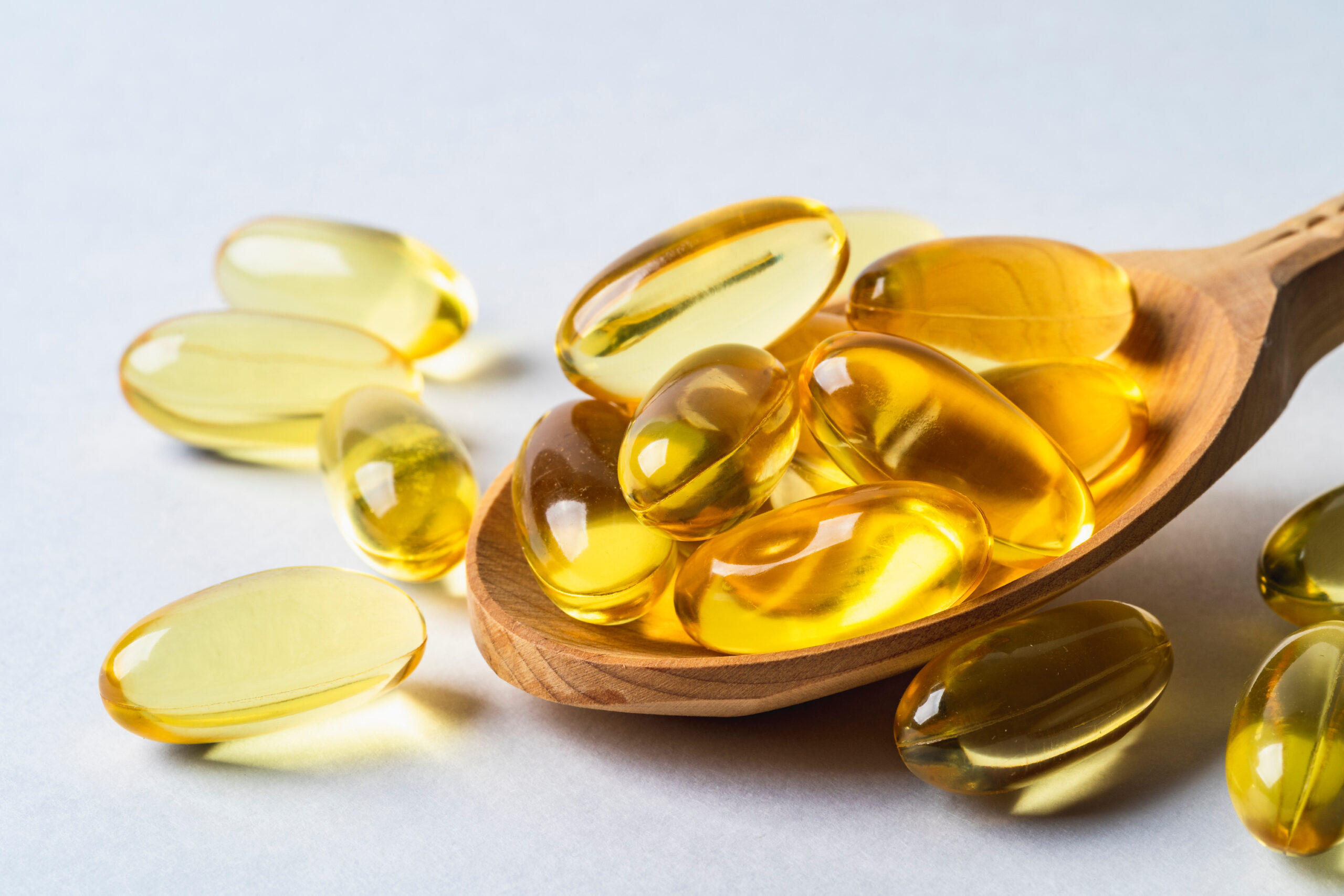
Vitamin D is an essential, fat-soluble vitamin also called cholecalciferol or “the sunshine vitamin.” Responsible for many functions in the human body, it supports testosterone production, bone health, weight loss, muscle growth, diabetes management, and the immune system, slows ageing, and helps reduce inflammation, anxiety, fatigue, and the risk of illnesses, such as influenza. It’s also especially beneficial for older adults and the elderly.
Its ability to support heart health and reduce the risk of cardiovascular disease stems from its capability to produce anti-inflammatory effects, optimise blood pressure, enhance endothelial function, support calcium regulation, and aid glycaemic and lipid control.
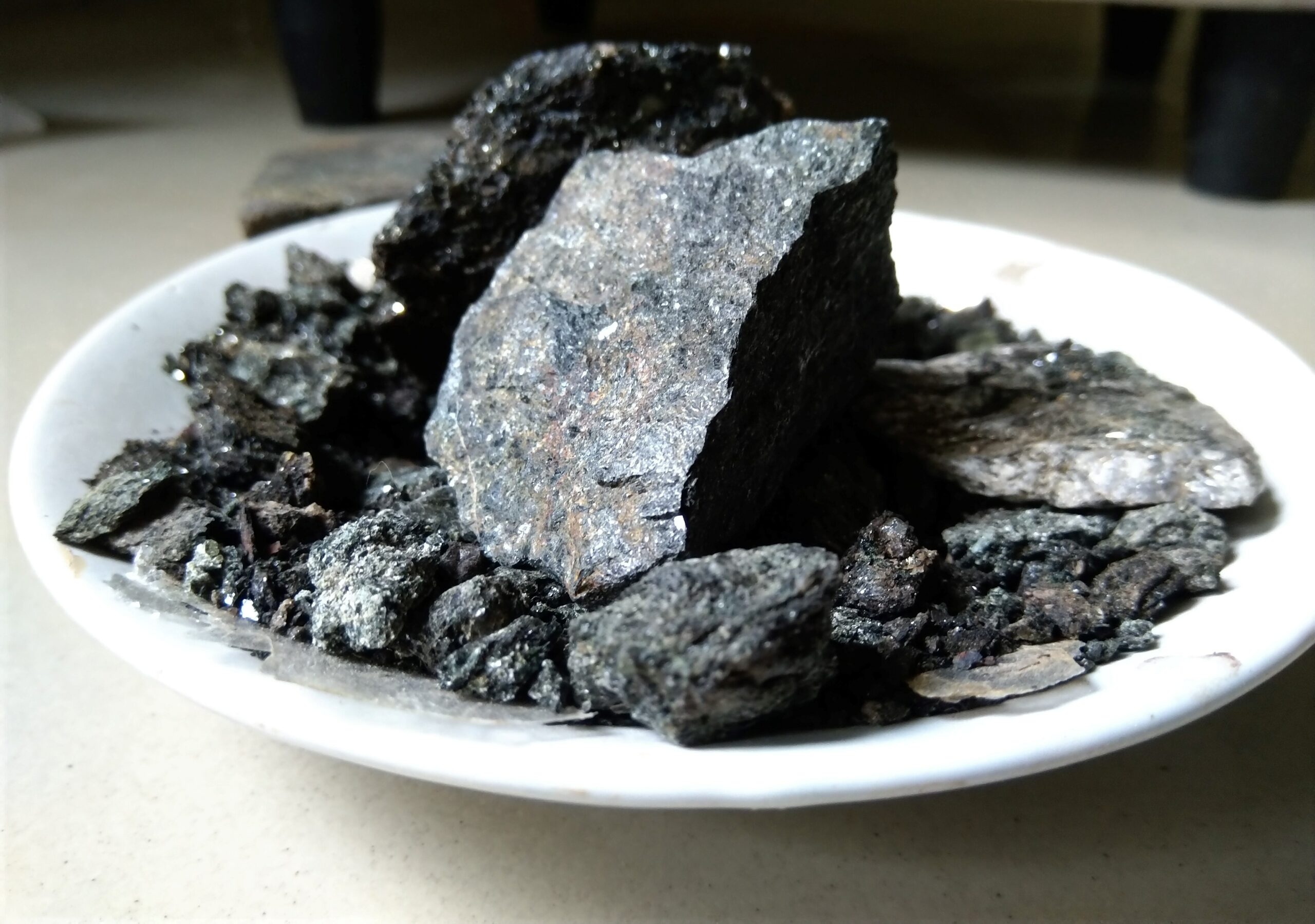
Shilajit is a natural, mineral-rich resin extracted from rocks found in high-altitude regions of the Himalayas, which contains two additional, particularly beneficial compounds: fulvic acid and humic acid. It offers extensive health benefits, including enhancing testosterone levels, cognition, male fertility, sperm quality, energy levels, and exercise performance, and reducing cholesterol, oxidative stress and damage, and inflammation.
Its ability to reduce cholesterol, oxidative stress, and inflammation also makes it extremely beneficial for heart health, as it prevents damage within the circulatory system and keeps the heart functioning at a high level.
N-Acetyl L-Cysteine is a potent, supplemental form of the amino acid L-cysteine with powerful antioxidant and detoxifying properties. It plays a vital role in maintaining mental and cellular health while supporting numerous core bodily systems, including the immune and respiratory systems.
It’s beneficial for the cardiovascular system and vascular health as its antioxidant effects neutralise reactive oxygen species and protect the blood vessels and heart from inflammation and oxidative stress, while lowering homocysteine levels.
This reduces the risk of atherosclerosis, maintains healthy endothelial function, boosts the flexibility and integrity of arteries and veins, promotes smooth blood flow and healthy blood pressure, reduces tissue damage during heart attacks or ischemia-reperfusion events, and prevents LDL cholesterol oxidation, plaque formation, high blood pressure, and cardiovascular disease.
Coenzyme Q10 is a natural compound found in every human cell that’s essential for energy production and provides a powerful antioxidant defence barrier for the organs. Its most notable benefits include maintaining skin, muscle, and brain health, improving your metabolism, blood sugar, and energy levels, and reducing fatigue and inflammation.
It supports the cardiovascular system by reducing inflammatory markers and oxidative stress, maintaining flexible, functional arteries and healthy heart cells, heart tissue, and blood vessels, lowering long-term cardiovascular risks, including plaque buildup, artery blockage, and heart attacks, and improving circulation, vascular energy levels, and heart strength, endurance, and functions.
Lycopene is a powerful antioxidant compound primarily found in tomatoes, possessing antioxidant and anti-inflammatory properties that benefit the heart, eyes, skin, and penis. There’s even evidence it can help with cancer.
It enhances cardiovascular health and function by preventing LDL cholesterol oxidation, clot and plaque formation, and atherosclerosis, preserving flexible and clear arteries, protecting blood vessels from damage, and improving HDL cholesterol and lipid levels, blood flow, and blood pressure, while reducing the risk of heart disease.

Cordyceps is a medicinal fungus categorised as a caterpillar fungus possessing antioxidant, anti-inflammatory, and adaptogenic properties. It benefits the brain, heart, sexual organs, and respiratory and immune systems, regulates blood sugar levels, slows ageing, and enhances energy levels.
It improves heart health, endurance, and function by boosting oxygen utilisation, circulation, and blood flow, neutralising free radicals that cause oxidative stress, damage heart tissue, and cardiovascular ageing, preventing arterial stiffness, plaque buildup, and heart disease, and optimising cholesterol, triglyceride, and lipid levels, blood pressure, and blood flow.
Tribulus is a herbal extract rich in saponins, flavonoids, alkaloids, and other active compounds made from the fruit of the Tribulus terrestris plant. Its best-known health benefits include improved testosterone levels, male fertility, sexual function, physical performance, and energy levels.
It supports heart health by reducing oxidative stress and inflammation in the blood vessels and heart tissues, preventing arterial stiffness, plaque buildup, vascular damage, ischemia and the damage it causes, and heart disease, and improving vasodilation, blood flow, circulation, blood pressure, vascular resistance, cholesterol levels, and cardiac contractility.
Luteolin is a natural flavonoid found in many fruits, vegetables, and herbs, possessing antioxidant and anti-inflammatory properties. It regulates hormone levels and benefits brain, heart, and immune health and function.
Its cardiovascular benefits are attributed to its preventing blood vessel inflammation, cardiac tissue damage, atherosclerosis, heart disease, plaque formation, blood clots, heart attacks, strokes, cardiomyopathy, and heart failure, as well as improving endothelial function, blood pressure, blood flow, circulation, cholesterol levels, and oxygen delivery.
Ginseng is a medicinal herb offering numerous health benefits, including improved immunity, mental health, energy levels, and sexual health and function.
It benefits the heart by improving vasodilation, vascular resistance, circulation, blood pressure, blood flow, and cholesterol and lipid levels, while combating free radical damage, blood vessel and cardiac tissue inflammation, atherosclerosis, platelet aggregation, blood clots, plaque buildup, and the risk of heart disease.

Alpha-lipoic acid (ALA) is a natural, water- and fat-soluble healthy fat with powerful antioxidant and anti-inflammatory properties. One of the three types of omega-3s, it can cross the blood-brain barrier and offer health benefits, including improved energy metabolism, brain, skin, heart, nerve, and liver health, blood glucose levels, and weight loss.
It’s beneficial for the heart and blood vessels as it protects the blood vessels and heart muscle cells from oxidative damage, plaque formation, atherosclerosis, and issues like heart disease, congenital heart failure, heart attacks, and heart ischemia-reperfusion injuries, and improves endothelial function, vasodilation, circulation, blood flow, blood pressure, cholesterol, and triglyceride levels.
Quercetin is a plant flavonoid mostly found in apples that possesses antioxidant, anti-inflammatory, and immune-modulating effects. It supports metabolic and immune health, as well as the health of the brain, joints, and circulatory system.
It protects against damage to the heart and arteries, slows plaque buildup, stabilises existing plaques, reduces the risk of atherosclerosis and clots, improves vasodilation, circulation, blood pressure, blood vessel flexibility and function, and lowers cholesterol and triglyceride levels.
Berberine is an alkaloid found in many plants that produces antioxidant and anti-inflammatory effects. It regulates blood sugar levels, prevents or treats diabetes, reduces inflammation, enhances gut and heart health and function, boosts your metabolism, aids weight management, and combats depression, mood swings, and certain menopause symptoms.
It benefits the heart and blood vessels by preventing atherosclerosis, damage to the heart tissue and blood vessels, and accelerated arterial plaque buildup, improving cholesterol and lipid levels, blood vessel health, function, and flexibility, circulation, heart rhythm, heart muscle contractions, and mitochondrial energy efficiency, and reducing the risk of blood vessel damage and heart disease.
Fisetin is an antioxidant and anti-inflammatory flavonoid found in many fruits, vegetables, and other plants that possesses senolytic properties. It supports brain health and function, particularly concerning memory, regulates blood sugar, improves insulin sensitivity, and reduces the effects of ageing and the risk of cancer.
By reducing oxidative stress throughout the vascular system, it prevents the development of serious conditions, such as atherosclerosis, while improving endothelial function, vasodilation, blood pressure, circulation, and overall heart and blood vessel health.

Trans-resveratrol is the most bioactive form of a potent antioxidant and anti-inflammatory found in grapes and some berries. It offers many benefits to humans, including relieving pain, boosting brain, gut, heart, and nervous system health and function, and blood sugar, pressure, and cholesterol levels, aiding fat loss, managing insulin and glucose sensitivity, and treating Alzheimer’s disease, arthritis, diabetes, and other chronic illnesses.
It lowers blood pressure, improves circulation, vasodilation, blood vessel function, cardiovascular energy and resilience, and cholesterol and lipid levels, while preventing endothelial dysfunction, atherosclerosis, blood clots, and heart attacks, all of which benefit the heart.
The Prime Male range is ideal for helping men over 40 improve their heart health, as our supplements contain optimal doses of the compounds we just examined. This includes dedicated ashwagandha, omega-3, vitamin D, and shilajit supplements, as well as several blends with unique purposes.
The next step in the ultimate men’s guide to heart health after 40 is analysing those blends.
Prime Male Life is designed to increase longevity. Packed with trans-resveratrol, berberine, alpha lipoic acid, quercetin, and fisetin, it is ideal for keeping a man’s heart healthy after 40. Its other ingredients then offer an additional 16 vital health benefits, which we explain here.
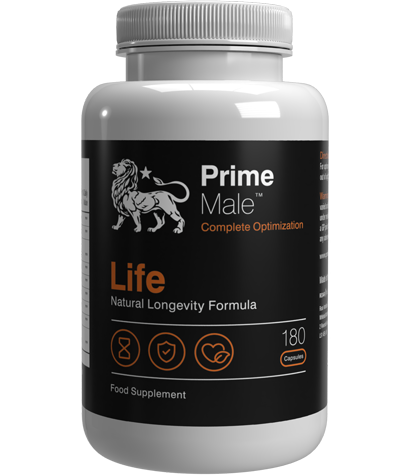
The Only Longevity Formula Designed to Target Male's Biological Processes Associated with Ageing with Proven Bio-active Compounds that Improve Cellular Repair and Reduce Age-related Diseases for Long-Term Performance.
Order NowPrime Male T Vitamins is full of the vitamins and minerals needed to keep an ageing man’s heart healthy. It also contains high doses of coenzyme Q10 and lycopene, as well as additional ingredients beneficial for heart health, including taurine, L-carnitine L-tartrate, L-arginine, blueberry, and pomegranate.
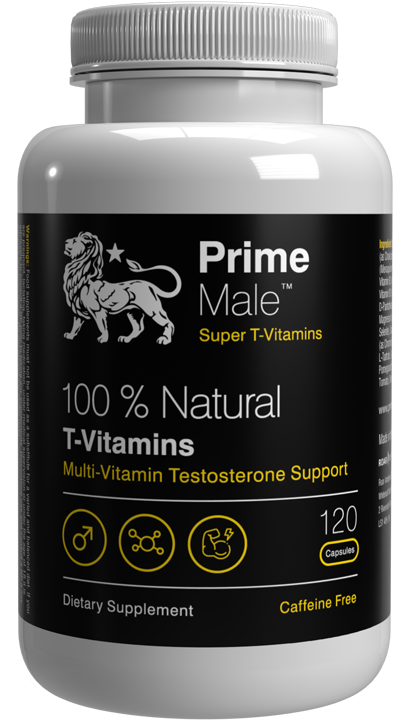
The Best Multivitamin Specifically Formulated to Support Men's Overall Health, Boost the Immune System, and Improved Hormonal Balance with Clinically Proven Nutrients.
Order NowPrime Male Vitality is a testosterone booster designed to help men avoid the issues caused by declining testosterone levels as they age, such as the loss of muscle, or their sexual drive or abilities. The inclusion of ginseng, luteolin, and ashwagandha means it successfully does all this while also supporting the heart.
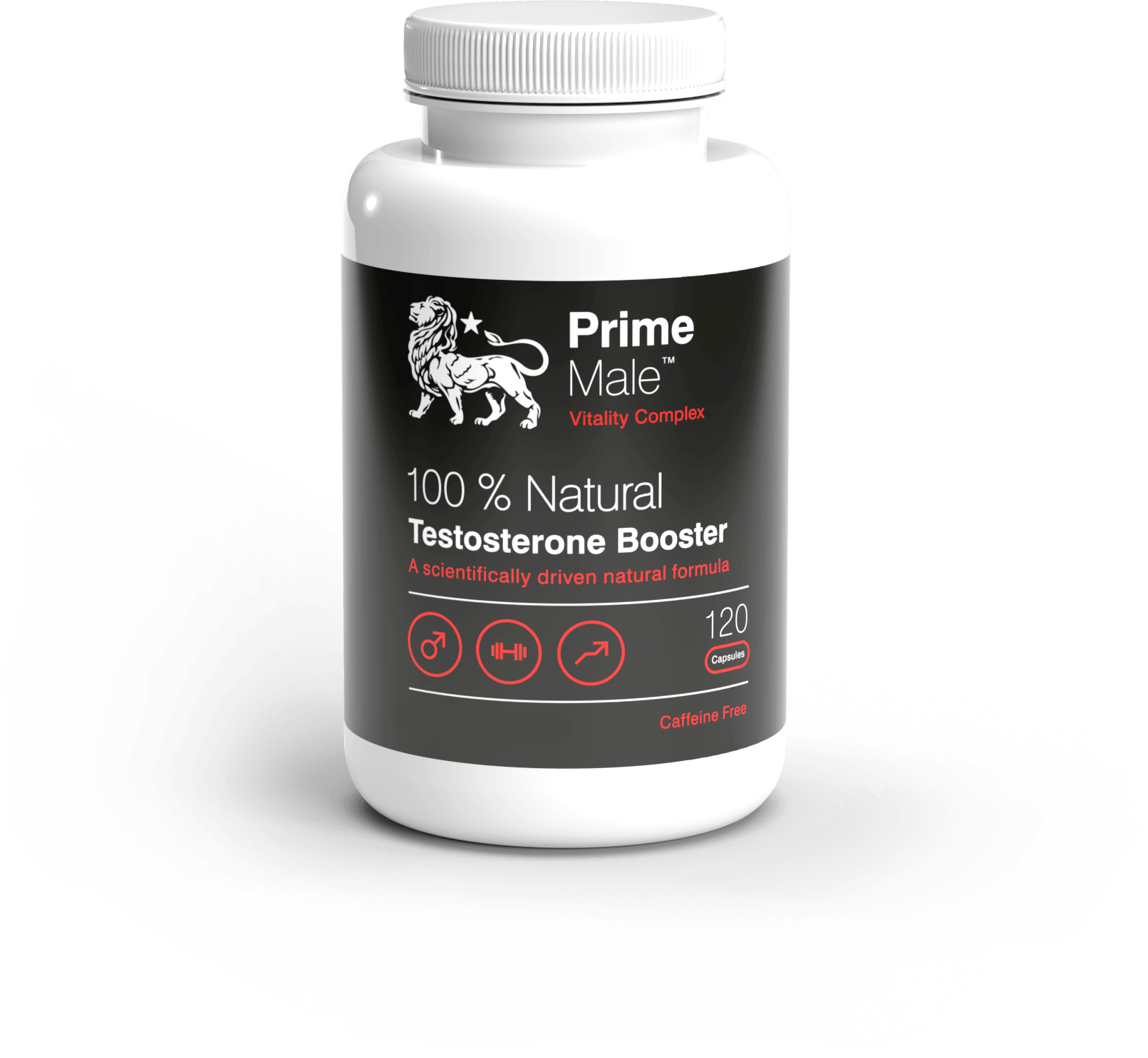
Clinically Proven Ingredients to Promote Muscle Mass, Enhance Energy and Libido, and Maximises Overall Performance for Men Over 40.
Order NowPrime Male Enhance is designed to help ageing men avoid sexual dysfunction. The presence of ginseng and Tribulus both help achieve this goal, while also allowing it to provide cardioprotective properties.
The Only Dual-Action Libido & Stamina Booster Designed to Enhance Blood Flow and Endurance for Stronger, Longer-Lasting Sexual Performance.
Order NowPrime Male S-Volume was created to increase a man’s sperm and semen volume and improve his fertility. However, the inclusion of such a large number of compounds known to benefit the heart, including N-acetyl L-cysteine, coenzyme Q10, lycopene, and cordyceps, make it almost equally useful for supporting heart health in ageing men.
Tested and Trusted
By Over 1 Million Men
That concludes the ultimate men’s guide to heart health after 40. While it would be nice if we could turn back time, it simply is not possible. However, if you exercise regularly, eat well, sleep properly, minimise stress, and make the most of natural compounds and Prime Male supplements, you can be sure your heart will stay strong, fit, and healthy. What better way to keep you feeling young and stop you from ageing beyond your years?
Back to Homepage
All orders are sent out by a tracked mail service. Your tracking number will be emailed to you within 48 hours of dispatch.




©2025 Roar Ambition Ltd | All Rights Reserved | Whitehall Waterfront, Unit G4, 2 Riverside Way, Leeds LS1 4EH Registered Company number in England and Wales: 08953534